
Pit Lakes, Tailings & Closure Water Quality
See long-term water quality before you commit to a closure plan.
Closure water quality sets the size and duration of your post-closure liability. The processes behind it play out over decades. The decisions that control them are cheapest to change early, while the mine is still on paper.
Pit lake chemistry depends on wall-rock loading, groundwater exchange, filling rate, evaporation and whether the lake stratifies. Tailings porewater changes as facilities drain down and oxygen works through the beach and cover. Reclaimed waste rock changes as covers mature and net percolation falls.
We predict these trajectories with explicit timing and tie them to the choices that change them: backfill and flooding strategy, cover design, water cover or dry closure. The results answer the questions closure planning actually asks. Will objectives be met? When? What load remains, and how long will treatment run?
Closure predictions carry the most uncertainty, so we pair them with monitoring and adaptive management. Each framework states what evidence confirms the prediction and which results trigger a change. Regulators and financial assurance reviewers get a basis they can test and trust.
Start this work at feasibility and it can still shape pit design, waste placement and cover selection at little added cost. Start it at closure and most of those options are gone.
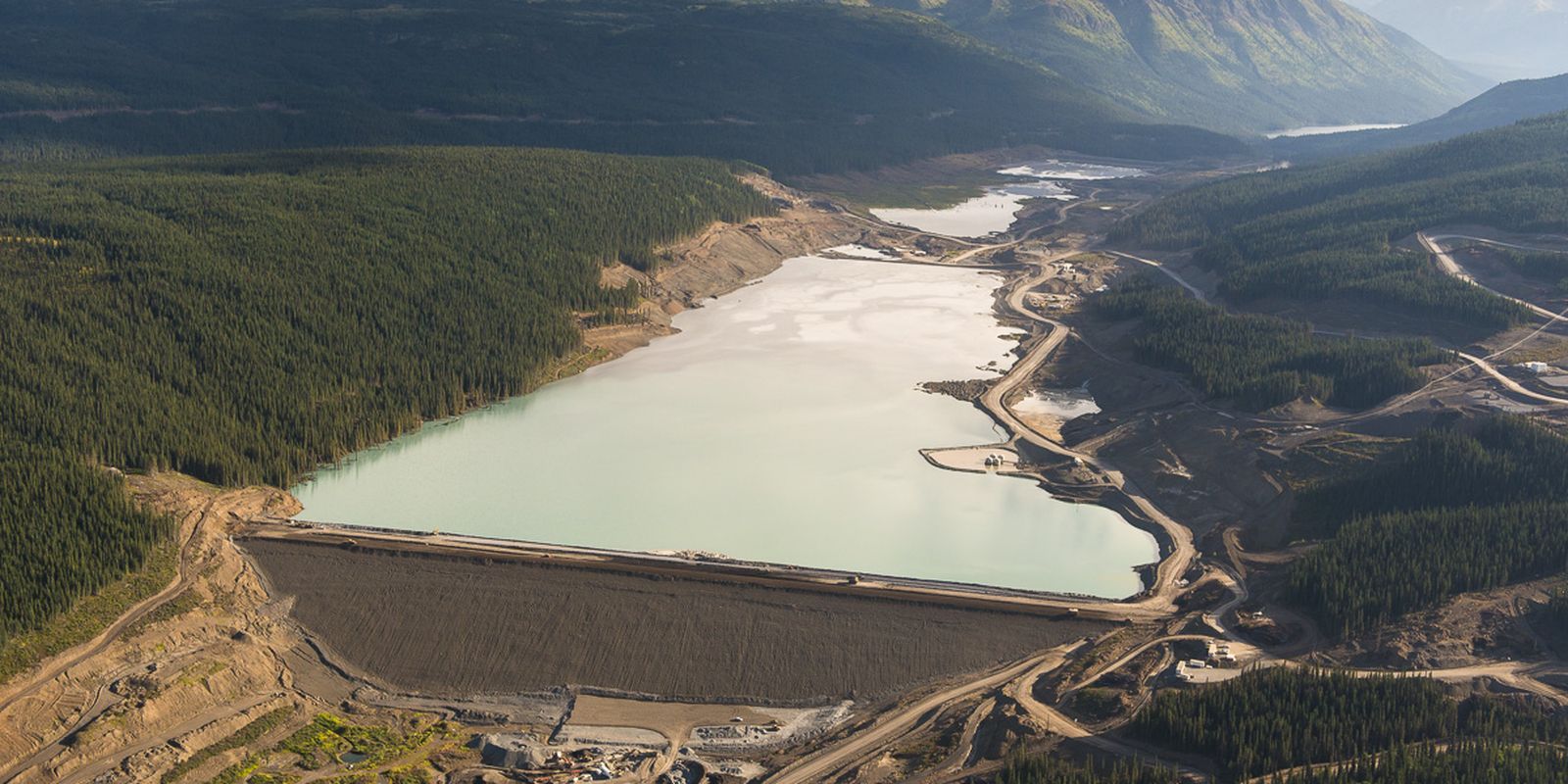 Tailings storage facility and damNorthwest British Columbia · Pit Lakes, Tailings & Closure
Our Services
Pit Lake Water Quality Prediction
Filling, stratification and long-term chemistry, with a clear view of when discharge objectives will be met.
Tailings Porewater and Seepage Evolution
How porewater and seepage chemistry change as tailings drain, consolidate and take in oxygen after closure.
Waste Rock Landform and Cover Performance
Cover design turned into load reduction. Net percolation and oxygen ingress put closure options on a common basis.
Closure and Post-Closure Scenarios
Closure strategies compared side by side. You see which choices move long-term liability most.
Treatment Duration and Closure Cost Inputs
How long treatment is likely to run, and the inputs your closure cost estimate needs.
Adaptive Management Frameworks
Monitoring, triggers and responses that let the closure plan adjust as performance data arrive.
Questions we help you answer
- Will the pit lake meet discharge objectives, and when?
- Is permanent stratification likely, and would it protect surface water?
- How much load reduction does the proposed cover really deliver?
- How long will post-closure treatment run?
- Which monitoring results should change the closure plan?
Supporting your decisions
| Stage | Decision | DHT input |
|---|---|---|
| Feasibility | Closure concept and landform design | Conceptual closure water quality screening |
| EA / permitting | Closure effects and water quality objectives | Closure and post-closure predictions |
| Operations | Progressive reclamation and cover trials | Trial design and performance interpretation |
| Closure | Final closure design | Updated predictions for selected options |
| Post-closure | Treatment duration, release and financial assurance | Residual-risk assessment and monitoring review |
Related services
Collaborate with DHT
Tell us what you're facing. We'll tell you how we can help.