Carbon Mineralization
Turn reactive mine waste into permanent carbon storage.
Mafic, ultramafic and alkaline mine wastes contain olivine, serpentine, brucite and calcium silicates. These minerals react with CO₂ to form stable carbonates, and many wastes already capture carbon passively. The questions are how much, how fast, and whether the uptake can be enhanced and verified. Each answer depends on site conditions.
Carbonation rates depend on mineral reactivity, surface area, water saturation, CO₂ supply and the build-up of passivating layers. Placement and water management therefore shape the result. Our Mineral Carbonation Technology Framework sets a structured path from mineral screening through laboratory testing to field-scale validation.
Enhanced rock weathering, where crushed basalt or olivine is spread on soils, raises its own questions about nickel, chromium and other trace elements. We assess water quality effects alongside carbon removal. Our measurement and verification approaches separate solid carbonate storage from carbon carried off in solution.
Where it helps, this work connects to site energy and emissions analysis, so carbon removal sits inside your wider decarbonization plan. Carbon accounting and energy planning then point in the same direction.
Mines already moving reactive waste can often build carbonation into existing placement and water management, without major new infrastructure. We help you size that opportunity with numbers that survive independent verification.
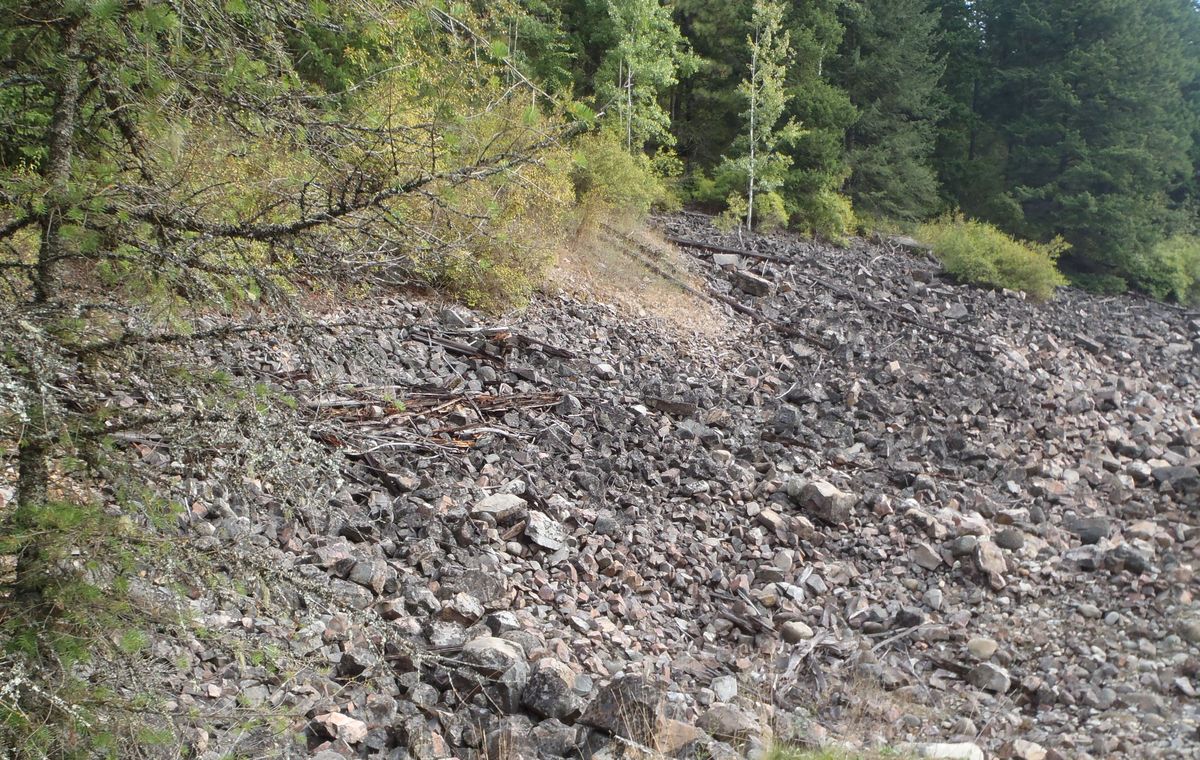 Weathered waste rockBritish Columbia · Carbon Mineralization
Our Services
Carbonation Potential Screening
Your mine wastes screened for reactive minerals, with a realistic estimate of how much CO₂ they could store.
Geochemical Carbonation Modelling
Carbonation reactions and rates modelled with the same tools we use for drainage chemistry.
Laboratory and Field Program Design
Laboratory tests and field trials that measure carbonation under conditions that match your site.
Enhanced Rock Weathering Assessment
Water quality effects of enhanced weathering, including trace-metal release, assessed next to the carbon removal benefit.
Measurement and Verification Planning
Approaches that measure stored carbon credibly and account for carbon exported in solution.
Energy and Emissions Integration
Carbon removal connected to site energy and emissions analysis, so it supports your broader decarbonization plan.
Questions we help you answer
- How much CO₂ can this waste stream realistically store, and how fast?
- How do placement, particle size and moisture control carbonation?
- Does enhanced weathering change drainage chemistry or trace-metal release?
- How can stored carbon be measured and verified credibly?
Supporting your decisions
| Stage | Decision | DHT input |
|---|---|---|
| Screening | Which wastes have meaningful carbonation potential | Mineralogical screening and capacity estimates |
| Laboratory | Rates and controlling conditions | Test design and kinetic interpretation |
| Field | Validated storage under site conditions | Field monitoring design and model validation |
| Operations | Placement and water management for carbonation | Design inputs to waste placement |
| Verification | Credible accounting of stored carbon | Measurement and verification framework |
Related services
Collaborate with DHT
Tell us what you're facing. We'll tell you how we can help.